Emergency Exits Safety Talk For Your Fire Safety Training
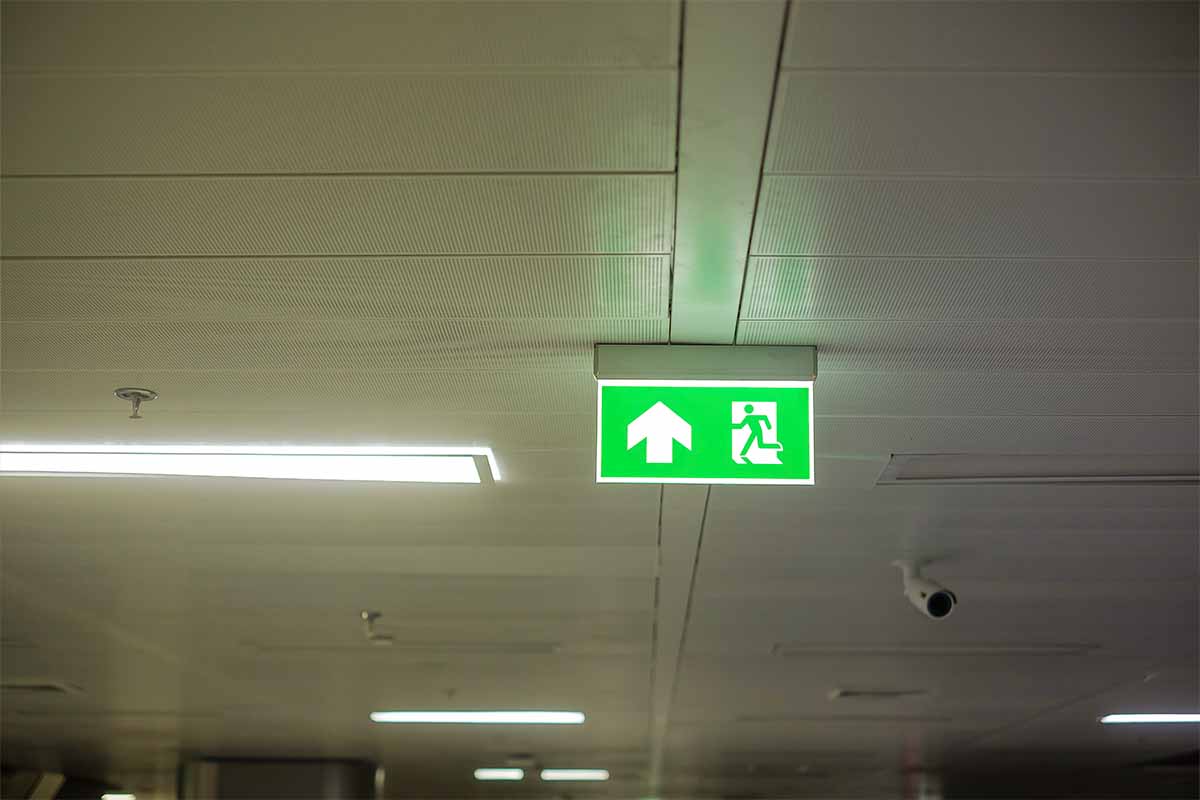
When it comes to emergency exits, it’s important to know where they are and how to use them. In the event of a fire or other emergency, you may need to evacuate the building quickly. That’s why it’s important to familiarize yourself with the emergency exits in your workplace.
According to the National Fire Protection Association, “buildings must be designed so that exits are always readily accessible and access to those exits is arranged so that they can be reached at all times.”
- OSHA reports that workplace fires and explosions are responsible for 200 deaths and 5,000 injuries each year.
- Explosions and fires account for 3% of workplace injuries every year and cause the highest casualty rate of all probable workplace accidents.
“Know your escape plan. Don’t be a statistic!”
Why is emergency exit safety important?
If there is a fire or another emergency, it is important to be able to get out quickly and safely. Emergency exits should be kept clear and free of obstructions so that they can be used in the event of a fire.
Workers should understand the escape routes from their workspace to the designated muster point, as well as how to properly maintain emergency exits. This includes understanding that they should not be locked — people inside the building cannot escape if they are blocked by obstructions of any kind.
Without this knowledge, employees can suffer injuries or even die from breathing difficulties due to smoke inhalation.
OSHA regulations for emergency exits
OSHA standard 1910.33 relates to exit routes and emergency planning. This explains the requirements for the design of emergency exits, their maintenance and operational features, as well as details on emergency action plans.
In addition, OSHA has published a fact sheet featuring guidance on emergency exit routes. This informs employers that a workplace should have at least two exit routes for employees. For example, a front and rear exit. It also states that there should be more than two where there is a large enough building or number of employees to evacuate. You may also need larger exits if many people have to be evacuated at the same time.
Emergency exit hazards
There are a number of hazards relating to emergency exits. These include:
- Employees not knowing where the emergency exits are located
- Obstructions blocking emergency exits when employees are trying to escape a fire
- Locked doors on exits in commercial buildings can cause harm
- Too many people using the same emergency exit and not being able to exit in a swift manner
- Badly maintained emergency exit doors might not function as they should in the event of a fire incident
How to ensure employees know where emergency exits are located
- Make emergency door exit orientation part of the onboarding process and inform visitors as soon as they arrive on the site
- Display maps of emergency exits prominently in the workplace
- Perform regular training on finding emergency exits
Maintaining emergency exits
- Signage for emergency exits should always remain visible
- Employees are advised not to store or stack materials in emergency exits
- Extension cords and other tools shouldn’t be stored in emergency exits, as they could cause injury from tripping or stumbling
- To ensure visibility, any markings or paints on emergency exits must be kept clean and re-coated
- To ensure safety, emergency exits must be regularly inspected

Injuries related to emergency exits
Workers can suffer injuries from not being able to find or not being able to use emergency exits correctly.
These injuries include:
- Burns from not being able to escape the fire in good time
- Breathing difficulties, including possible asphyxiation from smoke inhalation if exposed to the smoke for longer periods due to not being able to exit the building quickly
- Cuts, bruises and crush injuries if there are too many people trying to escape through the same emergency exit.
Questions to employees
Ask your crew — a quick check that the talk landed:
- Do you know where your closest emergency exit is at work?
- When is it acceptable to store items in front of an emergency exit?
- What are the issues with locked exits in an emergency?
Promote emergency exit safety with this email template
Hello colleagues,
In the event of an emergency, it’s crucial that everyone knows how to use the emergency exits safely. Here are some key points to remember:
- Emergency exits are usually clearly marked and easy to find. If you’re not sure where they are, ask a colleague or manager.
- In most cases, emergency exits will be equipped with an emergency light that comes on in the event of a power outage.
- If the emergency exit is obstructed by debris or furniture, do not try to move it yourself. Seek help from others instead.
- Once you’ve exited the building, stay clear of the area until emergency services arrive.
By following these simple guidelines, we can all help to ensure a safe and orderly evacuation in the event of an emergency.
Thank you for your attention.
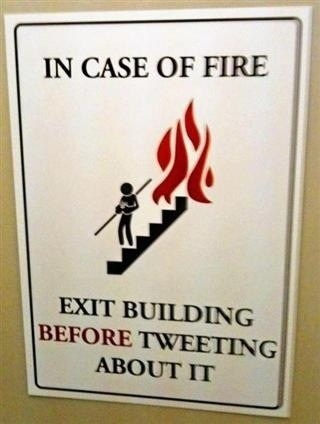
Emergency exits meme
Conclusion
Emergency exits are a vital part of any building’s safety system. It is crucial that everyone knows how to use them correctly in the event of an emergency. By following the simple tips outlined in this article, you can help ensure that everyone stays safe in the event of an emergency. Well-marked emergency exits and those kept clear are essential for safety.