Unsafe Conditions Safety Talk To Help Prevent More Accidents
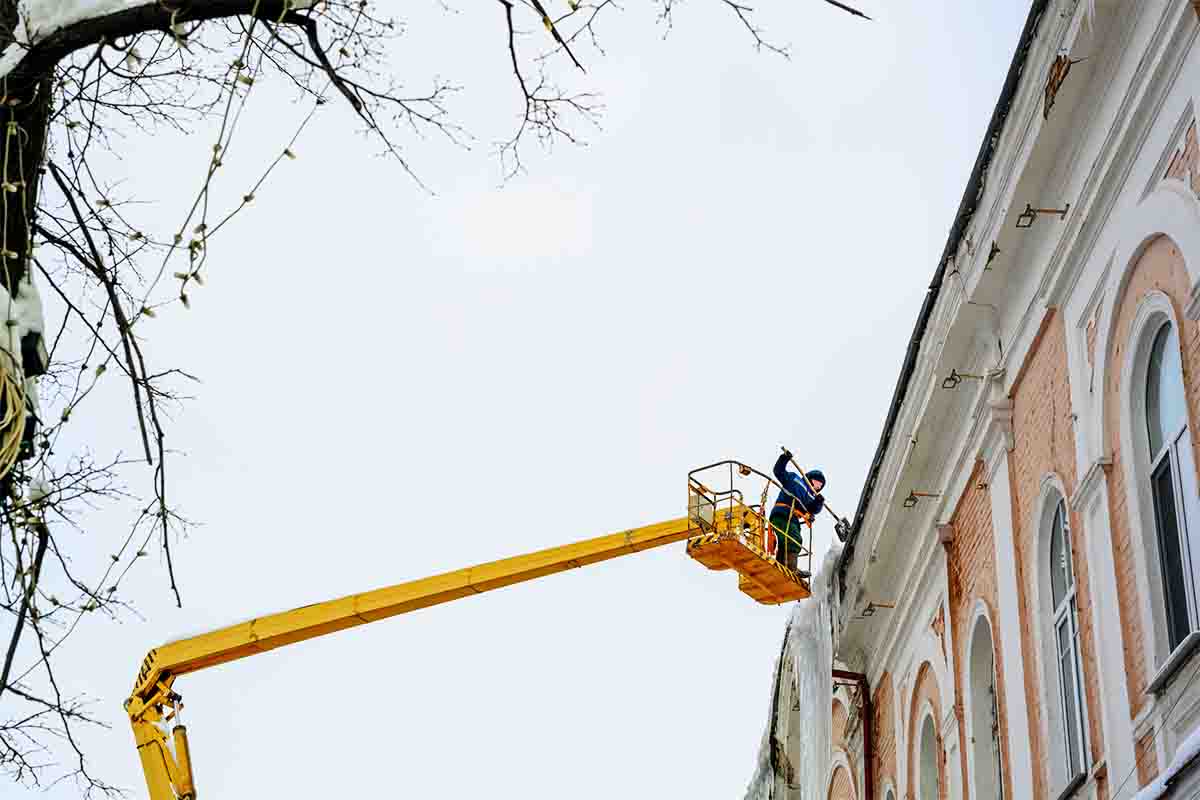

Unsafe conditions at work, coupled with unsafe acts, are a severe problem. Every day, workers are put in danger by unsafe working conditions. In this safety talk, we will discuss the dangers of unsafe conditions and how to deal with them safely.
Unsafe conditions can include anything from cluttered work areas to electrical hazards. Any condition that could potentially harm a worker is considered unsafe and is often the result of poor planning or laziness.
Unsafe conditions can lead to serious injuries or even death. Workers who are killed on the job due to unsafe conditions leave behind families who have to cope with their loss. No one should have to go through that.
- In 2015, the Rand Corporation found that more than one-half of Americans had reported exposure to unpleasant and potentially hazardous working conditions.
- The same year, The Hill reported that 150 Americans died each day due to hazardous working conditions.
Safety by choice, not by chance.
Why is it important to report unsafe working conditions?
It’s important for workers to be aware of unsafe conditions in the workplace and know how to report them. Reporting unsafe conditions can help keep workers safe and prevent accidents. Additionally, employers can only take action if they’re alerted by their employees.
If you see an unsafe condition in the workplace, report it to your supervisor immediately. Be sure to describe the condition in detail and explain why you believe it’s unsafe. If possible, take photos or videos of the unsafe condition. This will help your employer investigate the issue and make sure it’s addressed quickly.
OSHA regulations on unsafe conditions
These OSHA standards relate to unsafe conditions in the workplace:
- General Duty Clause
- 1910.119 – Process safety management of highly hazardous chemicals
- 1910.147 – The control of hazardous energy (lockout/tagout)
Hazards of unsafe conditions
Unsafe conditions can be hazardous to workers’ health and safety. Some common unsafe conditions include:
- working with hazardous materials without the proper safety gear
- being in an area with unsafe wiring or electrical hazards
- working in extreme weather conditions
- working in an unsafe environment, such as a construction site with faulty scaffolding
Workers should always be aware of the hazards associated with unsafe conditions and take steps to protect themselves. This may include wearing appropriate safety gear, avoiding dangerous areas, and knowing what to do in the event of an emergency.
These hazards can lead to discomfort, illness, injury and even death.
Unsafe conditions toolbox talk
Here are some examples of unsafe conditions:
- Poor housekeeping
- Horseplay
- Material storage issues
- Neglectful handling of materials
- Defective or improper tools
- Failure to install correct warning systems
- Personal protection equipment that is not properly worn
- Weather
- Not dressing appropriately for the job
- Failing to follow instructions
If you encounter any unsafe conditions while working, it’s important to know how to deal with them. Here are some tips:
- First, make sure you’re aware of the potential hazard. If you’re not sure, ask a supervisor or safety officer.
- Once you’ve identified the hazard, take steps to avoid it. If you can’t avoid it, take steps to minimize your exposure to it.
- If you must work in an unsafe area, be sure to follow all safety procedures and wear the proper personal protective equipment.
- Report any unsafe conditions to a supervisor or safety officer immediately. Don’t try to fix the problem yourself – that’s not your job.
- Finally, stay alert and pay attention to your surroundings. If you see something unsafe, say something!
You have rights surrounding the conditions in which you work:
- You should receive workplace safety and health training in a language you understand.
- You should work only on machines that are safe.
- You should receive the necessary safety equipment, such as gloves or a harness and lifeline for falls.
- You should be protected from toxic chemicals.
- You can request an OSHA inspection and speak to the inspector.
- You can report an injury or illness and get copies of your medical records.
- You can review records of work-related injuries and illnesses.
- You can see results of tests taken to find workplace hazards.
- You should not suffer retaliation as a result of reporting unsafe conditions.
Illnesses and injuries related to unsafe conditions
Workers who are exposed to unsafe conditions are at risk of developing a variety of illnesses and injuries. Unsafe conditions can cause:
- Respiratory problems from contaminants in the air
- Skin irritations from poor storage of chemicals
- Serious injuries from slips and falls, such as broken bones
- Lacerations and crushing injuries from unguarded pinch points
In 2020, workers in the private industry suffered 2,654,700 non-fatal illnesses or injuries, with 4,764 deaths.
Questions for employees on unsafe conditions
Ask your crew — a quick check that the talk landed:
- What are unsafe conditions?
- What are some examples of unsafe conditions?
- How can you identify unsafe conditions?
- What should you do if you encounter unsafe conditions?
Promote reporting of unsafe conditions with this email template
Hello colleagues,
Today, I would like to talk to you about unsafe conditions. These are situations in the workplace that can potentially cause harm to workers. It is important that we are all aware of these dangers and know how to deal with them safely.
If you encounter an unsafe condition in the workplace, please report it immediately to your supervisor or safety manager. Do not take any unnecessary risks – always put your safety first. By working together, we can ensure that our workplace is safe and hazard-free.
Thank you for your cooperation.
[Safety Manager]
Unsafe conditions meme

Conclusion
Unsafe working conditions can lead to accidents and injuries on the job. It is important for workers to be aware of these unsafe conditions and know how to deal with them when they arise. In this safety talk, we have discussed some unsafe conditions that workers may encounter on the job and provided tips on how to stay safe in these situations. We hope you find this information helpful and keep yourself safe while working.