10 Rules To Succeed at Process Safety Management
Traci Purdum, Editor-in-Chief of Chemical Processing, reads a column by John Bresland, former chair of the US Chemical Safety Board: his top 10 rules for succeeding at process safety management. Bresland distills decades in the chemical industry and at the CSB into rules covering leadership, hiring, asset integrity, metrics, incident investigation, complacency and culture. Nine minutes, and every rule is actionable.
Key takeaways
- Three types of process companies exist: those that don't understand their hazards, those that do but still have incidents, and those that understand and have none. Strive to be the third.
- Leadership commitment to process safety must come with the right organization and resources, not just communicated passion.
- Ensure equipment reliability through mechanical integrity, now called asset integrity; plants running three to four years between turnarounds depend on it.
- Track both lagging metrics, like reportable incidents and relief valve activations, and leading metrics, like incomplete action items from investigation reports.
- Take the long view on risk: shut down today to fix the problem rather than run to the next turnaround and risk a fire or spill.
- Investigate all incidents to the real root cause; 'valve failed' or 'operator did not check the oxygen level' does not address the underlying issue.
- Fight complacency when everything is going well, and build a culture where management walks the walk on safety.
I urge you to take the long-term view and shut down the process today to resolve the problem.
The most useful root cause analyses are those that identify a systemic or management issue.
As a company leader, it's your responsibility to continually send the message of safe operation and no complacency to all your people.
The SafetyTalker take
Read the six questions under rule 10 at your next leadership meeting: does management pay attention to safety, ignore employee suggestions, monitor process safety statistics, signal production over safety? Bresland says the answers tell you how strong or weak your safety culture is. Rule six is the one to rehearse before you need it: decide now that a problem worth raising is worth a shutdown today.
This short In Case You Missed It episode brings a written column to life. Traci Purdum, Editor-in-Chief of Chemical Processing, reads John Bresland’s “10 Rules To Succeed at Process Safety Management.” Bresland is president of Process Safety Risk Assessment LLC and a former chair of the United States Chemical Safety Board, the agency that investigates the kind of disasters that changed safety law. Nine minutes gets you a checklist earned over a career in the chemical industry.
Three types of process companies
Bresland’s framing comes from his CSB years. The first type of company does not understand the hazards of its operations, lacks suitable process safety programs, and suffers serious accidents with dire consequences. The second understands the hazards and the regulations, has excellent programs and quality people, and still experiences incidents. The third understands the hazards, has the programs and the people, and has no serious incidents. Any company processing hazardous chemicals should strive to be the third type.
People, equipment and details
The first rules are organizational. Leadership comes first: president, chair, board member, plant manager and shift supervisor must all be committed to process safety, and leaders must go beyond communicating passion to establishing the right organization and applying the needed resources. Second, get the best possible people, with a stringent hiring process for control room operators and training that continues throughout a career.
Rule three is equipment reliability through mechanical integrity, now more commonly called asset integrity. With plants running three to four years or longer between major turnarounds, everything from piping to valves to control devices to major rotating machinery matters, and you need people who understand corrosion and rotating equipment. Rule four is passion for details: plants contain millions of parts, so key equipment should have backups so a single failure cannot cause a shutdown or a process incident.
Metrics and the long view on risk
Rule five is metrics, both lagging and leading. Lagging examples are the number of reportable incidents and the number of times a pressure relief valve activates. A leading metric should flag a trend toward a negative outcome, such as incomplete action items from investigation reports.
Rule six is the hardest one in practice. When an employee alerts you to a problem that can only be resolved by shutting down the process, you weigh lost production and a disappointed customer against running until the next turnaround and risking a fire or a chemical spill. Bresland is direct: shut down today. Short-term consequences will soon be forgotten; an explosion or toxic release because you delayed will not. It is the leadership-level version of the stop work authority you ask crews to exercise in the field.
Prepare, investigate, and never coast
Rule seven: prepare for the possibility of an incident with first-class emergency response plans, drills with local responders, and relationships with community leaders. A serious event turns your business and personal life upside down, replacing daily plant management with regulators, lawyers, insurance adjusters and news media.
Rule eight: thoroughly investigate all incidents, because smaller events can easily escalate to catastrophic ones. “Valve failed” or “operator did not check the oxygen level” is not a root cause; ask why the valve failed and why the operator did not check. The most useful analyses identify a systemic or management issue, the same discipline that makes near miss reporting worth the paperwork.
Rule nine targets complacency. When quality is excellent and nothing has gone wrong, people coast. Bresland’s advice is to keep running a tight ship, because any letup can come back as a serious near miss or an actual incident. That message belongs in the field too, where complacency shows up long before it shows up in metrics.
Culture is the tenth rule for a reason
Bresland saves what he calls maybe the most important rule for last: develop and nurture a strong process safety culture, meaning the way we do things around here. Employees gauge whether management is talking the talk or walking the walk by its actions. Does management pay attention to safety? Ignore employee suggestions? Monitor process safety statistics? Signal that production matters more than safety? Answer those questions honestly and you know where your culture stands.
Full transcript
Read the full transcript
Process Safety with Trish and Traci is a production of Chemical Processing. Chemical Processing focuses on serving engineers designing and operating plants in the chemical industry.
Welcome to the In Case You Missed It edition of Process Safety with Trish and Traci. The podcast aims to share insights from past incidents to help avoid future events. I’m Traci Purdum, Editor-in-Chief of Chemical Processing. Please subscribe to this podcast on your favorite platform.
This In Case You Missed It episode brings the written word to life. Today I will be reading an excerpt from a column written a few years ago by John Bresland, President of Process Safety Risk Assessment LLC, and former chair of the United States Chemical Safety Board. The column is 10 Rules to Succeed at Process Safety Management.
He noted that during his years at the CSB he learned that three types of process companies exist. The first type of company doesn’t understand the hazards of its operations. It lacks suitable process safety programs and suffers serious accidents with dire consequences. The second type of company does understand the hazards and the regulations. It has excellent safety programs and quality people but still experiences incidents, some minor and some very serious. The third type of company understands the hazards and the regulations. It has excellent safety programs and quality people. It doesn’t have any serious incidents. Any company in the business of processing hazardous chemicals should strive to become the third type of company.
Based on his many years in the chemical industry and his years at the CSB, he developed a top 10 list of rules for process safety success. Here are those rules.
Number one, leadership. President, chair, board member, plant manager, shift supervisor must be committed to process safety. If you are the leader of any type of process company, the safety of your employees and the financial success of your firm depend upon your leadership on process safety. Leaders not only must communicate their passion for process safety, but also must establish the right organization and apply the needed resources.
Number two, you must get the best possible people in your company, from senior management to the operators in the control rooms of your facilities. In a perfect world, chemical engineers would oversee the complexities of a plant 24 hours a day. However, many engineers don’t aspire to such an operations role, and even those who do wouldn’t enjoy spending their careers working rotating shifts. So you must mandate a stringent hiring process for control room operators, and for all employees for that matter. Training and education opportunities must continue throughout a person’s career. Finding and keeping the best people will mean success for your company.
Number three, you must ensure equipment reliability through an effective program for mechanical integrity, now more commonly called asset integrity. In today’s world where process plants can operate for three to four years or even longer between major turnarounds, the reliability of process equipment is of paramount importance. You must pay attention to everything from piping to valves to control devices to major rotating machinery. To keep the plant running and know that your equipment isn’t going to fail, you will need expertise, such as employees who understand corrosion or the complexities of rotating equipment.
Number four, be passionate about taking care of the details. Large process plants are extremely complicated, containing millions of parts and sophisticated electronic equipment and software. Key equipment should have backups so that a single failure can’t cause a shutdown or process incident.
Number five, establish if you haven’t already, and carefully track, process safety metrics to monitor your operations. These metrics will educate you on how your plant is operating. You should develop both lagging and leading metrics. Some examples of lagging metrics are the number of reportable incidents and the number of times that a pressure relief valve activates. A leading metric should inform you about activities in your plant that can indicate a trend toward a negative outcome. For example, incomplete action items from investigation reports.
Number six, take the long view on risk. If an employee alerts you to a problem that only can be resolved by shutting down the process, you must weigh the loss of production from a shutdown and the possibility of a disappointed customer against keeping the process operating until the next scheduled turnaround and risking an incident such as a fire or a chemical spill that may lead to injuries to personnel or damage the environment. I urge you to take the long-term view and shut down the process today to resolve the problem. By taking the long view, you will incur short-term consequences that will soon be forgotten. On the other hand, an explosion or toxic release because you delayed taking care of the immediate problem will cause long-lasting impacts for you and for your company.
Number seven, prepare for the possibility of an incident, a fire or an explosion with injuries or off-site impact. You should ensure that you have first-class emergency response plans and know your local emergency responders. Run drills with them. In addition, maintain a good relationship with local community leaders. Understand that a serious event will turn your business and personal life upside down. Your day-to-day responsibilities of running a process plant will give way to dealing with federal and state regulatory and investigative agencies, lawyers, insurance adjusters, news media, and a host of other people with a need to know what happened. Of course, the best way to avoid this is to not have an incident, but planning ahead to prepare for such an emergency can pay huge dividends if one were to occur. Sit down with your leadership team to develop a contingency plan. Then work with local responders and the community so they can become familiar and train for their role.
Number eight, thoroughly investigate all incidents. Always remember that smaller events often very easily could escalate to catastrophic ones and cause a fatality. You should establish a team that not only is well trained on the techniques of incident investigation, but also is charged with finding the real root cause of an event. Too often today, what’s described as a root cause actually isn’t. Stating “valve failed” or “operator did not check the oxygen level” doesn’t address the underlying issues. Why did the valve fail? Why didn’t the operator check the oxygen level? The most useful root cause analyses are those that identify a systemic or management issue.
Number nine, don’t allow complacency to develop. When everything is going well, quality is excellent and your plant has had no environmental incidents, personnel accidents or process safety issues, people tend to get complacent. Strongly combat this inclination. Keep running a tight ship. Any letup in your resolve to have the best safety program can come back to haunt you with a serious near miss or an actual incident. As a company leader, it’s your responsibility to continually send the message of safe operation and no complacency to all your people.
Number 10, finally, and maybe most important, you must develop and nurture a strong process safety culture within your company. Culture basically means the way we do things around here. Of course, a positive safety culture starts with a positive corporate culture. Employees gauge whether management is just talking the talk or really walking the walk by its actions. Does management pay attention to safety? Does it ignore the safety suggestions of employees? Does it closely monitor process safety statistics? Does it signal that production is more important than safety? Answer those questions and you’ll know how strong or weak your safety culture is. Ensure that in your organization you are doing things the safest way.
Unfortunate events happen all over the world and we will be here to discuss and learn from them. Subscribe to this free podcast so you can stay on top of best practices. You can also visit us at ChemicalProcessing.com for more tools and resources aimed at helping you run efficient and safe facilities. On behalf of Process Safety with Trish and Traci, I’m Traci, and thank you for listening to the In Case You Missed It edition of this podcast.
Run this talk with your crew
 General safety
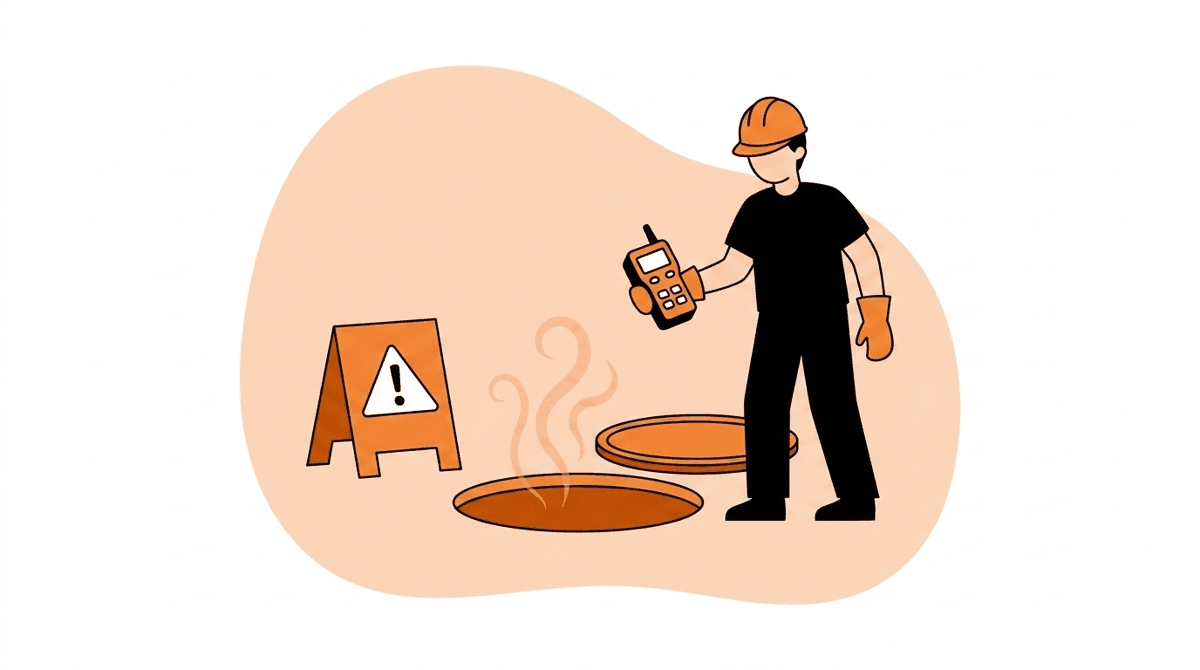
 Confined Space Toolbox Talk: The Air In There Can Kill You
Over 1,000 workers died in confined spaces in eight years. This confined space toolbox talk covers permits, atmospheric testing and rescue rules.
 Chemical Safety
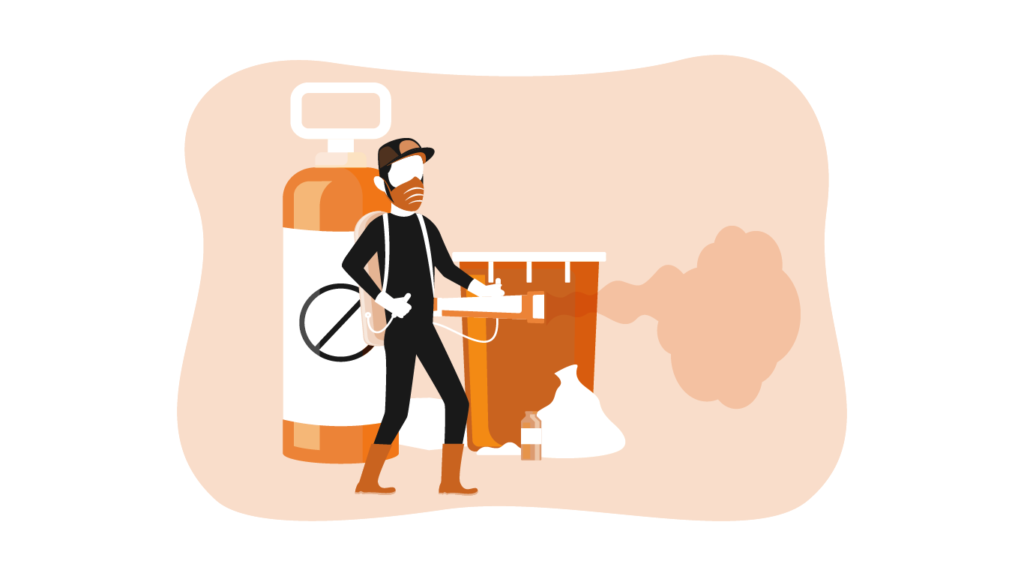
 Hazard Communication Toolbox Talk: Read the Label, Know the Chemical
HazCom is your right to know what's in the drum. This hazard communication toolbox talk covers GHS labels, pictograms, safety data sheets and OSHA 1910.1200.