OSHA Fines Norfolk Southern After East Palestine Cleanup Crews Worked the Derailment Without Protection
EAST PALESTINE — The train derailment that made this Ohio village a household name also put railroad workers in harm’s way. On August 9, 2023, the Department of Labor announced that OSHA had cited Norfolk Southern with four violations and $49,111 in proposed penalties for failing to protect the track crews it sent into the contaminated site — and unveiled a settlement to fix it.
The Incident
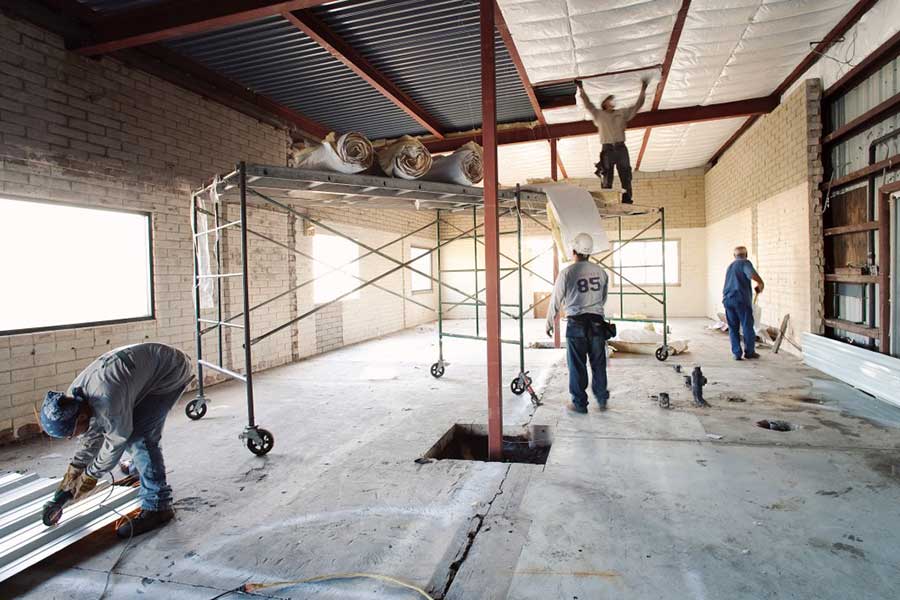
On February 3, 2023, 38 cars of a Norfolk Southern freight train derailed in East Palestine, 11 of them carrying hazardous materials including vinyl chloride. The day after the wreck, while the spill was still fresh, the railroad brought in workers to build and lay track panels near the site so trains could keep moving. Afterward, workers reported nausea, headaches, rashes and respiratory problems.
The Investigation
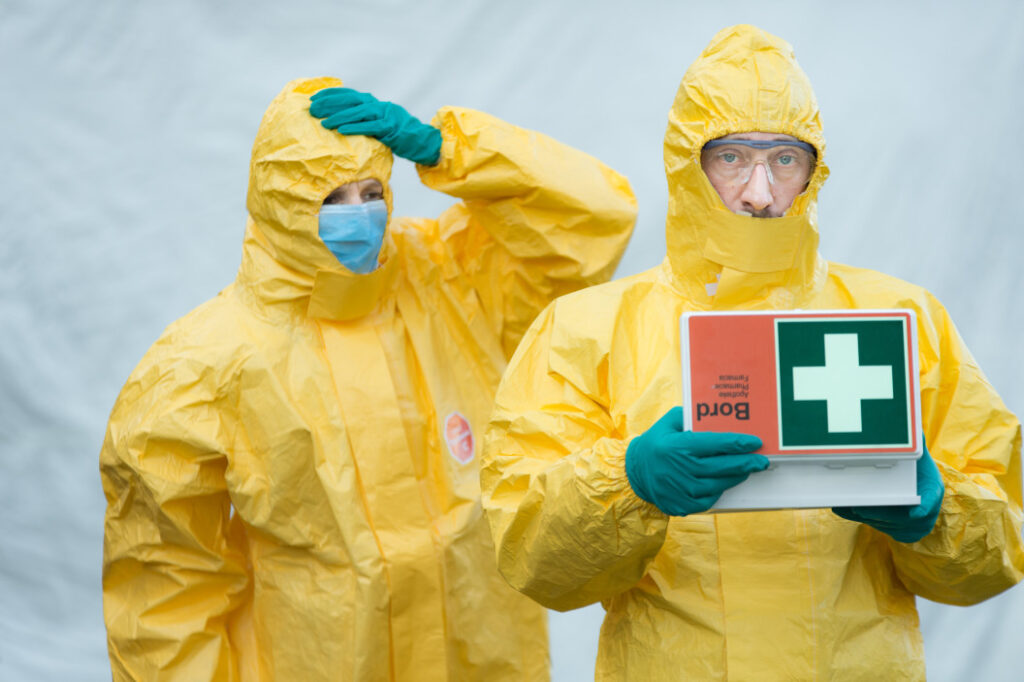
OSHA found the railroad had no emergency response plan covering lines of authority, communication, training, site control or decontamination areas. Investigators documented employees working on contaminated soil without chemical-resistant footwear, a worker pouring cement on potentially contaminated soil without respiratory protection, and a failure to train workers on the hazardous chemicals they were standing in. Contractor Specialized Professional Services Inc. was cited separately, drawing $11,000 in proposed penalties for failing to secure the contaminated area and establish a decontamination zone.
Alongside the citations, Norfolk Southern signed a settlement with the department and two rail unions: a medical surveillance program for every employee who responded at East Palestine, 40 hours of hazardous waste operations (HAZWOPER) training for union employees who may respond to future derailments, and a lessons-learned training program built from the incident.
OSHA’s Stance
“This agreement will improve the safety and health controls in place for Norfolk Southern employees who responded and help educate the rail operator’s employees on the lessons learned so they are prepared should another emergency occur,” said Howard Eberts, OSHA’s area office director in Cleveland.
Lessons to Take Home
The pressure to restore operations after an incident is exactly when protections get skipped. If a site may be contaminated, nobody works on it until the atmosphere and soil are assessed, the right PPE is issued, and workers are trained on what they are being exposed to — full stop. An emergency response plan is not paperwork for the binder; it is the document that decides whether the people cleaning up a disaster become its next victims. Make sure your crews can name the unsafe conditions that should stop a job, and that they know they have the standing to say so.
Before your next incident drill, run our stop work authority talk — the cheapest protection any cleanup crew will ever get.